
What Are Those Black Streaks on Roofs in Houston? The Truth About Algae & How to Safely Remove It
Are those unsightly black streaks running down your roof simply dirt, or are they warning you about something more serious? If you live in the Houston area, you’ve almost certainly noticed these dark, discolored marks on rooftops across your neighborhood. But what’s really causing them, and could ignoring them end up costing you big time? In this comprehensive guide, we reveal the science behind black streaks on roofs in Houston, debunk common myths, and outline the safest, most effective ways to restore your home’s curb appeal and protect your roof’s lifespan.
What You’ll Learn About Black Streaks on Roofs in Houston
-
Key causes of black streaks on roofs in Houston
-
How to identify black algae, dark streaks, and other roof stains
-
Professional solutions like roof cleaning, power wash, and soft wash
-
Maintaining curb appeal while preventing algae growth
-
Answering common questions about black streaks and roofing issues
Is It Just Dirt or Are Black Streaks on Roofs in Houston a Red Flag?
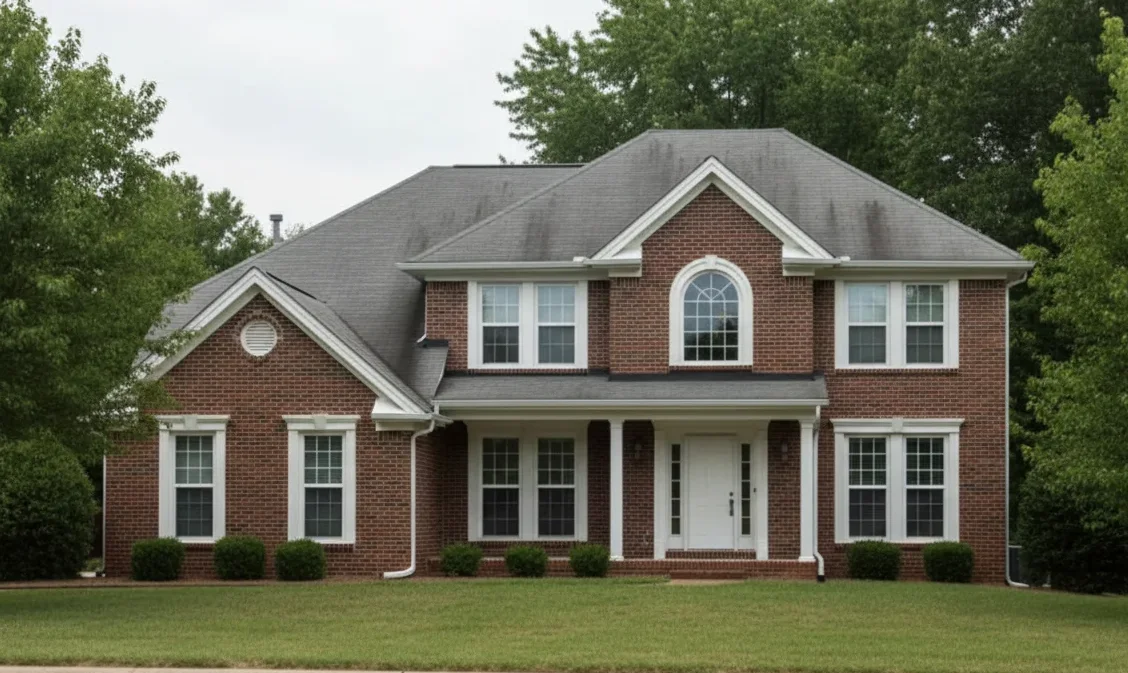
The black streaks and dark streaks visible on many Houston roofs aren’t just dirt or a cosmetic issue—they’re often an early warning. Homeowners sometimes dismiss streaks on your roof as simple grime or weathering. However, in the Houston area’s hot, humid climate, these marks are usually caused by black algae, specifically gloeocapsa magma. This organism doesn’t just affect your home’s curb appeal; it can also signal deeper roofing problems that may lead to expensive repairs if left untreated. If you see black streaks running down your roof, remember: appearance is only the start of the problem.
“Homeowners often ignore dark streaks thinking they’re just surface dirt, but in Houston, black streaks on roofs are usually a sign of deeper issues such as black algae or gloeocapsa magma.”
Understanding Black Streaks on Roofs in Houston: The Science Behind the Stains
What is Gloeocapsa Magma and Why Does It Cause Black Algae on Roofs?
The key culprit behind black streaks on roofs in Houston is a type of blue-green algae called gloeocapsa magma. This microorganism thrives on moisture, warmth, and organic debris. It appears black because it develops a dark, UV-resistant outer sheath that protects it from sun exposure. The black algae particularly loves to settle on asphalt shingles, where it feeds on the limestone filler found in asphalt shingle granules. Over time, this feeding leads to algae growth that becomes increasingly visible, resulting in the characteristic black streaks running down your roof.
As the algae multiply, it forms colonies that can cover large sections of your roofing system. The Houston area’s combination of frequent rainfall, humid air, and shaded roofing surfaces create the ideal environment for bacteria and algae to grow, especially on north-facing or constantly shaded roof sections. These roof algae stains are more than just a cosmetic headache—they can trap moisture against shingles, weaken the underlying roofing materials, and potentially void your roof warranty if left untreated.
Why Algae Growth is So Common on Roofs in Houston
Algae growth is particularly aggressive in Houston because of the region’s subtropical climate. Persistent humidity, hot summers, and frequent storms leave roof surfaces damp, especially under Houston’s signature tree canopies. This moisture, coupled with organic debris such as leaves and pollen, creates the perfect breeding ground for black algae and other dark streaks.
Airborne spores from gloeocapsa magma travel across neighborhoods and stick to virtually any roof material, but especially asphalt shingle roofs. The algae’s ability to feed on the limestone in shingles means even newer roofs are at risk. If you spot streaks on your roof—even within five years of installation—it’s likely due to these combined environmental factors, rather than poor materials or workmanship.
-
High Humidity & Rainfall: Encourages prolonged dampness on roof surfaces
-
Shade from Trees: Reduces natural drying by sunlight, accelerating algae growth
-
Airborne Algae Spores & Pollutants: Constantly land and thrive in Houston’s climate
-
Limestone-rich Shingles: Serve as a food source for gloeocapsa magma
How Black Algae and Other Streaks on Your Roof Affect Curb Appeal and Roof Health
Is It Just Cosmetic or a Sign of Roof Damage?
It’s tempting to view black streaks and dark streaks on your roof as merely cosmetic issues. However, in the Houston area, leaving these streaks untreated can lead to more than just an eyesore. The presence of black algae signals that your roofing materials are under attack by moisture-loving organisms. Over time, the algae’s growth traps more water, increases the risk of moss and lichen colonization, and can even promote the growth of mold under the shingles.
Not only do these streaks drastically reduce the curb appeal of your home—turning away prospective buyers and lowering property values—but they can also cause subtle deterioration within your roof’s structure. Roof algae and bacteria break down the shingle’s protective granular surface, exposing the roof to even more intense UV rays and weather-related wear. Proper roof cleaning goes beyond looks; it’s an essential part of home maintenance in the greater Houston area.
Potential for Shingle Deterioration and Shortened Roof Lifespan
If black streaks are left untreated, your asphalt shingle roof becomes increasingly vulnerable. The algae’s persistent feeding on limestone filler weakens the shingle granules, allowing moisture to penetrate the surface. This can lead to shingle cupping (edges curling upward), cracking, and eventual loss of waterproof integrity. Once shingles are compromised, leaks and water infiltration may follow—accelerating the need for premature roof replacement.
More critically, the loss of protective granules means less defense against UV rays, which further accelerates the breakdown of roofing materials. Addressing black streaks through consistent roof cleaning—using the right soft wash or roof cleaning techniques—helps to extend the life of your roofing system and ensures your investment is protected for years to come.
-
Hidden Moisture Damage: Algae locks in moisture, causing structural roofing issues
-
Granule Loss: Reduces shingle lifespan and increases risk of leaks
-
Moss & Lichen Growth: Further damages roof and can spread to gutters/fascia
-
Warranty Risk: Streaks can void shingle warranties if maintenance is neglected
Comparing Roof Cleaning Methods: Power Wash vs. Soft Wash for Black Streaks on Roofs in Houston
When it comes to roof cleaning, not all strategies are created equal—especially for the unique challenges of the Houston climate. Two primary methods are used by professionals: power wash and soft wash. Understanding the differences is essential to avoid costly roof damage and to effectively tackle black streaks.
Comparison of Roof Cleaning Methods for Black Algae and Dark Streaks
| Method | Process | Effectiveness on Algae | Risk to Roof | Recommended For |
|---|---|---|---|---|
| Power Washing | High-pressure water jets | Removes surface dirt, but can miss deep algae roots | High—can strip shingle granules and cause leaks | Driveways, siding (not asphalt shingle roofs) |
| Soft Washing | Low-pressure application of algaecides and cleaning agents | Kills algae at the root and prevents regrowth | Low—gentle on shingles and preserves granular layer | All roof types, especially asphalt shingles |
Pros and Cons: Soft Washing vs. Power Washing
Soft washing is widely recommended in the greater Houston area, especially for black streaks caused by algae growth. Since it uses professional-grade cleaning solutions at low pressure, it eliminates gloeocapsa magma without damaging the delicate granules on asphalt shingles. Homeowners are often tempted by DIY power washing, but high-pressure water can cause more harm than good, dislodging shingles and prompting costly repair or even premature roof replacement.
When it comes to roof cleaning in Houston, always ask your contractor if they use a soft wash system. This method is safer and more effective for tackling unsightly black streaks and promoting the longevity of your roof.
“Soft washing provides elimination of algae growth without risking roof damage, making it ideal for homes in humid climates like Houston.”
Preventing Black Streaks and Algae Growth on Roofs in Houston
Prevention is the best long-term strategy for avoiding black streaks on roofs in Houston. Implementing proper roof maintenance and using the right products can reduce recurrence, keep your home looking sharp, and even extend its life far beyond the average in humid climates.
-
Schedule Regular Roof Inspections: At least annually—look for early signs of streaks, cupping, or algae buildup
-
Use Zinc or Copper Strips: Metal ions released with rainwater inhibit algae growth on shingles
-
Keep Gutters and Downspouts Clean: Prevents trapped moisture that can fuel further growth
-
Trim Overhanging Branches: Allows more sunlight to reach the roof, keeping it dry
-
Install Algae-Resistant Shingles: Consider this option for new roofs or after a roof replacement
Recommended Products and Services for Houston Homeowners
Invest in algae resistance products designed for the Houston climate. This includes copper-based roof treatments, high-quality algaecides, and professional soft wash roof cleaning done by experienced contractors. For those planning roof replacement, research into premium asphalt shingles with added anti-algae protection can offer years of low-maintenance peace of mind.
Always work with a reputable Houston roofing professional who understands how to tailor maintenance and roof cleaning to your property and the challenges unique to our region. The right expertise helps you avoid scams and ensures your home maintains its value and curb appeal.
People Also Ask: Black Streaks on Roofs in Houston
What do black streaks on a roof mean?
Black streaks most often indicate black algae (gloeocapsa magma) growth, particularly in humid climates like Houston. This growth can trap moisture and degrade shingle materials, potentially reducing the roof’s lifespan and affecting curb appeal.
How to tell if a roofer is lying?
Ask for clear documentation, before-and-after photos, and local references. Reputable Houston roofing contractors will explain causes of black streaks on roofs, describe proper cleaning methods, and never suggest power washing if it could damage your shingles.
Why do shingles streak lines when the roof is only 5 years old?
Early streaking is common in Houston due to high humidity and airborne algae spores. Even quality shingles can show black streaks or dark streaks sooner without protective treatments or regular roof cleaning.
What does roof cupping look like?
Roof cupping appears as shingles curling upward at the edges, sometimes near visible dark streaks. While cupping can signal underlying moisture or structural issues, it often follows prolonged algae growth or poor drainage.
FAQs about Black Streaks on Roofs in Houston
Are black streaks on roofs in Houston dangerous or just unsightly?
While black streaks can start as a cosmetic issue, they signal black algae growth that can damage shingles if left untreated. Over time, streaks can reduce roof lifespan, allow moisture infiltration, and affect curb appeal and property value.
Can you prevent dark streaks without replacing your roof?
Yes, with proper maintenance like routine roof cleaning (preferably soft washing), installing copper or zinc strips, keeping the roof clear of debris, and using algae-resistant treatments, most homeowners can prevent dark streaks on their existing roof.
Is regular roof cleaning worth it for Houston homeowners?
Absolutely. Regular, professional roof cleaning extends the life of your shingles, maintains curb appeal, and prevents costly issues like roof replacement or water damage. In Houston’s humid climate, annual cleaning is often ideal.
How often should you inspect for black algae or other types of roof staining?
Inspect your roof at least once a year and after major storms. Early detection of streaks on your roof allows for prompt treatment and reduces the chance of serious damage if left unchecked.
Stop Black Streaks on Roofs in Houston
-
Black streaks on roofs in Houston usually signal black algae, not just dirt
-
Soft washing is safer and more effective than power washing for most roof types
-
Proactive roof maintenance and cleaning preserves curb appeal and roof lifespan
-
Choose reputable Houston roofing professionals for results
Conclusion: A Cleaner Roof is a healthier Roof
Don’t let unsightly black streaks compromise your home’s curb appeal or the long-term health of your roof. While the humid Houston climate makes algae growth a common challenge, it’s not one you have to live with. By choosing professional, safe cleaning methods like soft washing, you can restore your roof’s appearance and protect the investment you’ve made in your home.
Get a Professional Assessment from Kainos
Unsure if your roof needs a cleaning or if those dark streaks hide deeper damage? You don’t have to figure it out alone. At Kainos Roofing & Exteriors, we understand the unique challenges of the Houston climate. Our certified team can provide a thorough inspection and recommend the safest, most effective maintenance plan to keep your roof looking great and performing its best for years to come.
Call Kainos to discover how our Home Guardian Services can increase the value of your home. (713) 487-5255
“Kainos Roofing does a lot more than roofs. In fact, we look out for your home in more than a dozen areas. Visit https://kainosroofing.com to learn more.”
Leave a Reply