
More than one-third of roofing insurance claims are caused not by installation errors—but by poor job site cleanup and inadequate property protection after roof work. Nails left in driveways, debris hidden in landscaping, and unsecured materials can damage property, injure occupants, and expose homeowners and businesses to unnecessary risk. A defined roofing cleanup protocol ensures that every roofing project—whether a small repair or a full roof replacement—ends with a safe, hazard-free property. This guide explains why cleanup standards matter, what proper roofing cleanup looks like, and how the right contractor protects your investment from start to finish.
Roofing Cleanup Protocol Property Protection: Why It Matters for Roof Work Success
When embarking on any roofing project—be it urgent roof replacement, scheduled maintenance work, or large-scale commercial roofing—property owners expect a safe and clean environment after the work begins. An effective roofing cleanup protocol property protection isn’t just about curb appeal. It ensures that landscape elements, vehicles, and family members aren’t exposed to stray nails, falling debris, or toxic materials that may be left behind on the job site. Hazard control is an essential part of any roof work, helping prevent avoidable accidents and supporting compliance with regulatory requirements such as OSHA mandates for safety and fall arrest systems.
Skilled roofing contractors incorporate mobile elevating work platforms and work platforms, systematic debris removal, and edge protection throughout every roofing project to ensure safety and property protection. This dedication minimizes risks, upholds the structural integrity of the property, and even extends the life of your new roof. For commercial roofing, meticulous cleanup protocols contribute to business continuity and regulatory compliance, while residential customers benefit from a more secure and comfortable home environment. Ultimately, prioritizing the roofing cleanup protocol property protection ensures that your investment pays off—and that your property shines long after the work platforms are packed away.
A Surprising Fact: Over 35% of Roofing Claims Stem from Inadequate Cleanup
Industry data reveals a startling truth: insufficient cleanup is responsible for more than one-third of property insurance claims post roofing services and projects. With so much at stake, following a detailed practice guide for hazard controls and site cleanup isn’t optional—it’s vital for everyone working on roofs, whether it’s a small residential job or an expansive commercial roof replacement. By understanding this risk and acting before hazards appear, you can protect your home and avoid the headache of unnecessary claims and repairs.
This reality underscores the importance of going beyond basic debris collection. Implementing best-in-class roofing cleanup protocols, such as using magnetic sweepers and comprehensive site inspections, drastically reduces the threat of property damage and personal injury. Every responsible roofing contractor should make cleanup and property protection second nature, transforming what’s often viewed as an afterthought into a non-negotiable pillar of every project.
Prioritizing Commercial Roof and Residential Roofing Services Cleanup
Whether you’re managing a commercial roofing contract or scheduling a residential roof replacement, prioritizing cleanup protocols is essential. Different types of properties may require slightly different approaches. For example, commercial roofing projects often demand specific safety barriers, specialized mobile elevating equipment, and tailored hazard control plans to manage the scale and complexity of the site. Residential properties, on the other hand, call for special attention to gardens, patios, and family safety concerns.
The right roofing contractor will know how to adapt cleanup routines, using plastic sheets, work platforms, and documented walkthroughs to meet both regulatory standards and your personal expectations. With clear communication and property protection strategies in place, every roofing project concludes not only with a reliable new roof but also with satisfaction and safety for all involved.
What You’ll Learn in This Roofing Cleanup Protocol Property Protection Guide
-
Key elements of the roofing cleanup protocol property protection
-
Best practices for hazard control during roof work and roof replacement
-
How to protect your home and property throughout a roofing project
-
Frequently asked questions about safe roofing cleanup
Understanding the Roofing Cleanup Protocol Property Protection Process
An effective roofing cleanup protocol for property protection starts well before the first shingle is removed and extends beyond the last nail being driven, integrating hazard control and the use of mobile elevating work platforms for safe access. The process combines structured planning with real-time hazard controls to ensure every job site—be it for roof replacement, commercial roofing, or residential services—meets the highest standards of safety, cleanliness, and regulatory compliance.
The protocol involves a series of planned steps and the use of specialized equipment, from the initial site inspection to the final property walkthrough. By following an orderly process, both commercial roof managers and homeowners can rest assured that every piece of debris and potential hazard is addressed, documented, and removed. This not only protects your home but also enhances the reputation of the roofing contractor, solidifying a culture of trust and excellence in the roofing services industry.
Step-by-Step Protocols for Cleanup After Commercial Roofing and Roof Replacement
-
Initial site inspection and hazard assessment: Before any work begins, roofing contractors conduct a thorough evaluation of the job site, noting potential risks like fragile landscaping, exterior furniture, or vehicle proximity. Proper edge protection and hazard controls are put in place, and areas requiring additional care are documented.
-
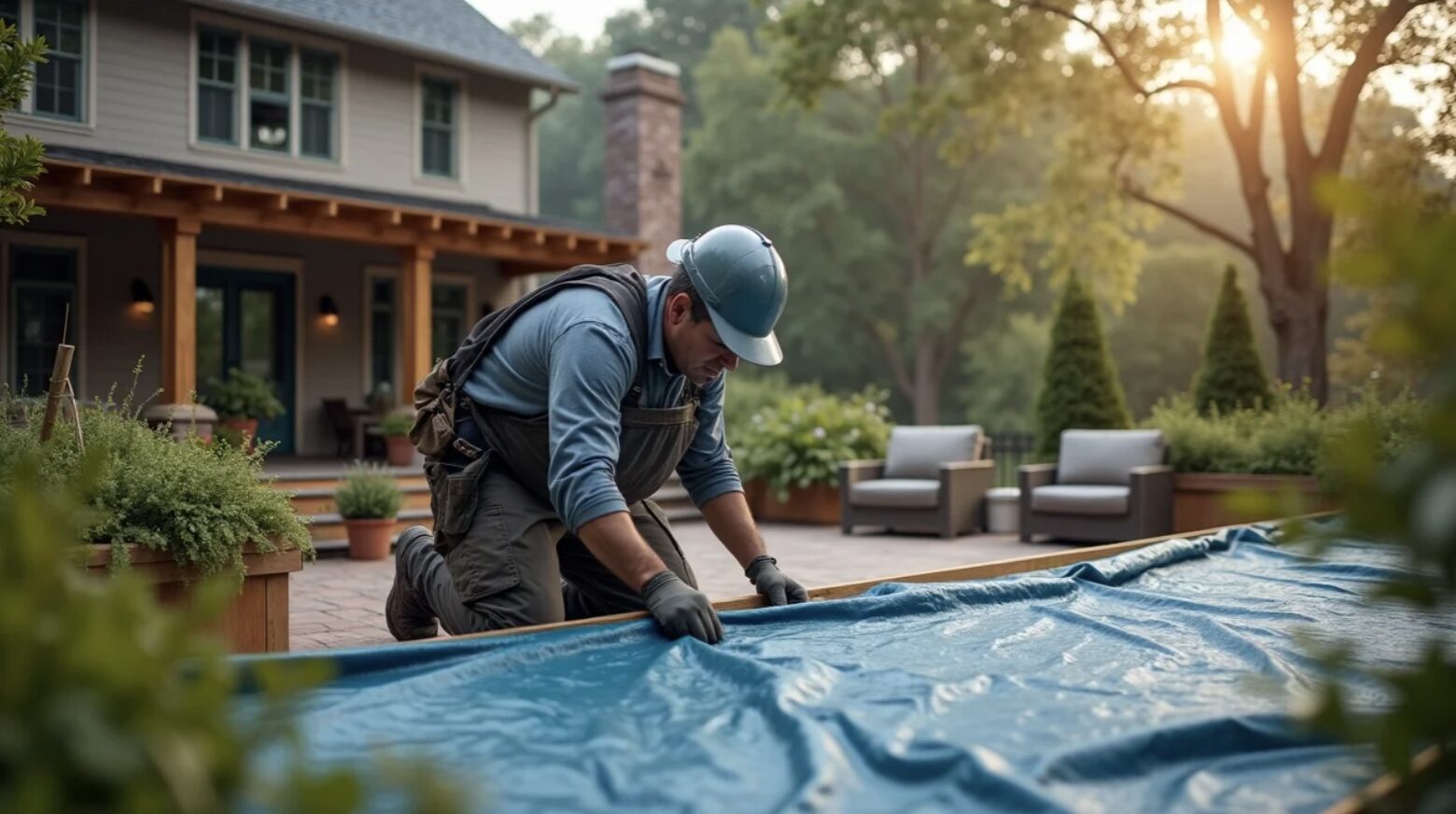
Material removal and proper disposal: Old roofing materials and debris—including shingles, insulation, and flashing—are carefully removed, sorted, and placed in appropriate disposal containers or recycling bins. Use of plastic sheets and tarps ensures lawns and driveways remain unharmed during the roofing project.
-
Magnet sweeps and debris checks: Once large debris is cleared, magnet sweepers are used to collect nails and small metal fragments, a step often overlooked by untrained crews. Additional checks for hazardous materials and a review of all walkways and gardens ensure no risks are left behind.
-
Final walkthrough for property protection assurance: The roofing contractor leads a final inspection with the property owner or manager, reviewing all affected areas, documenting the absence of hazards, and confirming site restoration. Only after client sign-off are safety barriers and work platforms removed from the property.
Essential Equipment and Supplies for Roofing Cleanup Protocol Property Protection
A well-equipped crew is at the core of successful roofing cleanup protocol property protection. Specialized tools and gear not only improve job efficiency but also safeguard the property and workers from potential injury. From mobile elevating work platforms and work platforms to debris magnets and personal protective equipment (PPE), each tool plays a vital role in delivering spotless job site results during roof work. For commercial roofing or large-scale roof replacement, access to advanced equipment is also a sign of a reliable, professional roofing contractor.
This section of the practice guide explores the most important cleanup tools and gear, ensuring that every aspect of the job is addressed—from ground-level sweeping to rooftop hazard control. If you’re planning a roofing project, confirm that your chosen contractor invests in the right equipment and follows guidelines for working at height, hazard controls, and site documentation.
Rooftop and Ground-Level Tools for Comprehensive Roof Work
-
Mobile elevating work platforms and work platforms: Critical for safe access to the roof, facilitating hazard control, and ensuring debris removal from even the highest or hardest-to-reach areas.
-
Personal protective equipment (PPE) for roofing contractors: Includes hard hats, non-slip boots, safety harnesses, gloves, and high-visibility clothing to protect workers during all phases of the roofing project.
-
Specialized equipment for commercial roof safety: Commercial jobsites often require industrial-grade debris chutes, commercial vacuum systems, and heavy-duty tarps to safeguard surrounding properties, equipment, and landscaping.
The Role of Roofing Contractors in Ensuring Property Protection
A trustworthy roofing contractor doesn’t simply deliver roof replacement or commercial roofing services—they set the industry standard for hazard control, property protection, and safety. Proper training and the adoption of hazard control protocols, including the use of mobile elevating work platforms, are non-negotiable for any crew committed to excellence in roofing services. From initial planning to the last inspection, reputable contractors follow practice guidelines for working at height, routinely communicate with property owners, and lead by example in regulatory compliance.
These teams work closely with homeowners and business managers to set expectations, explain steps, and uphold transparency throughout the roofing project. The result is an efficient cleanup operation, fewer disruptions, and property owners who feel secure, informed, and confident in their contractor’s expertise and dedication.
Training and Hazard Control Protocols on Every Roofing Project
-
Communication with homeowners and businesses: Continuous updates, documented walkthroughs, and responsive service are essential for protecting your home or commercial building.
-
Adherence to industry standards and regulatory requirements ensures that safety, debris removal, and cleanliness are prioritized every step of the way.
Comparison of Roofing Cleanup Protocols for Residential vs. Commercial Roof Projects
| Key Steps | Residential Roof | Commercial Roofing | Related Equipment |
|---|---|---|---|
| Site Inspection | Focus on landscaping, driveways, and sensitive areas near the home | Expanded assessment of building perimeter, parking areas, and equipment zones | PPE, assessment reports, hazard flags |
| Material Removal | Bagged shingle debris, covered walkways, tarped gardens | Heavy-duty dumpsters, debris chutes, reinforced barriers | Plastic sheets, brooms, wheelbarrows |
| Magnet Sweeps | Focused on yards, play areas, and driveways | Wider magnetic sweep for parking lots and access roads | Magnet sweepers, safety signage |
| Final Walkthrough | Homeowner review of exterior and immediate property | Business manager verification of site-wide cleanliness | Inspection checklists, documentation tools |
Watch real contractors execute each stage of the roofing cleanup protocol—inspecting, tarping, sweeping, and conducting final walkthroughs for both residential roofing and commercial roof replacement projects. The demonstration offers a powerful, visual practice guide emphasizing safety, advanced equipment, and perfect results every time.
Protect Your Home: Best Practices for Roofing Cleanup and Roof Replacement
Every practice guide for roof work stresses that cleanup is as critical as installation. Protecting your home during a roofing project means taking deliberate steps to control hazards from start to finish. The best roofing contractors tailor cleanup protocols to suit the type and scope of the job, offering both standard and extra protective measures for complete peace of mind.
Best practices for every roofing project include proactive documentation, regular hazard control inspections, and thorough communication with clients to protect your home and ensure a safe work environment. By leveraging the appropriate tools—ranging from mobile elevating work platforms to handheld magnets—contractors can keep job sites free from hazards and your property as clean as before the project began.
Tailoring Cleanup Protocols to Different Roofing Services
-
Handling hazardous materials: Safe removal and disposal techniques are critical for materials like asbestos or old tar that may pose health risks when disturbed during roof replacement.
-
Cleaning gutters, downspouts, and exterior surfaces guarantees water management systems remain clear and reduces future maintenance work.
-
Post-project property assessment and documentation builds trust and serves as a final assurance that all hazards are eliminated before sign-off.
Industry Experts on the Importance of Roofing Cleanup Protocol Property Protection
“A diligent cleanup protocol after roof work isn’t just about aesthetics—it’s about family safety and extending the roof’s lifespan.”
People Also Ask: Roofing Cleanup Protocol Property Protection FAQs
What are the OSHA requirements for fall protection on a roof?
Comprehensive roofing cleanup protocol property protection includes adhering to OSHA mandates such as guardrails, safety harnesses, and fall arrest systems during all roof work and roof replacement projects to ensure both worker and property safety.
What are the safety measures for roof work?
Effective roofing cleanup protocol property protection involves establishing perimeter hazard controls, requiring all workers to utilize PPE, and maintaining clear communication to prevent accidents and ensure thorough cleanup.
What PPE is required for roofing?
Proper roofing cleanup protocol property protection specifies hard hats, non-slip boots, gloves, and fall protection harnesses for roofing contractors on all commercial roofing and roof replacement tasks.
What are the 5 functional requirements of a roof?
The primary functional requirements, critical to all roofing projects and cleanup protocols, are weather resistance, structural strength, thermal insulation, fire protection, and durability.
Comprehensive Roofing Cleanup Protocol Property Protection Checklist
-
Pre-project site preparation and communication
-
Scheduled inspections during roof work
-
Systematic removal of debris and hazards
-
Property walkthrough and client sign-off
Key Takeaways: Why You Need a Defined Roofing Cleanup Protocol Property Protection
-
Prevents damage to property and landscaping
-
Minimizes safety hazards for occupants and contractors
-
Ensures compliance with commercial roof safety standards
-
Enhances trust with homeowners and property managers
FAQs: Roofing Cleanup Protocol Property Protection
How does professional debris cleanup support roof protection?
Professional debris cleanup and hazard control are key to safeguarding roof performance, property value, and ensuring a safe environment during roof work. Removing nails, shingles, and hazardous materials reduces the risk of damage to people, pets, and landscaping. It also ensures that drainage systems stay clear, preventing leaks and water damage that can shorten roof life. Clean sites also demonstrate a contractor’s commitment to thoroughness and property protection.
Can homeowners request additional protective services during a roofing project?
Absolutely. Many roofing contractors offer additional property protection services, such as extra tarping around sensitive landscaping, installing protective fencing, or setting up temporary walkways. Homeowners are encouraged to discuss concerns and specific needs before work begins to ensure the project is tailored for maximum protection.
Why is magnet sweeping essential in roofing cleanup protocol property protection?
Magnet sweeping, combined with mobile elevating work platforms for thorough site access, captures metal debris such as nails or staples that might otherwise be missed in a visual inspection, enhancing roofing cleanup protocol property protection. This extra step protects vehicle tires, children’s feet, pets, and garden equipment from dangerous punctures or injuries, raising the level of job site safety and overall customer satisfaction.
For Trusted Roofing Cleanup Protocol Property Protection—Contact the Experts
Kainos Roofing does a lot more than roofs. In fact, we look out for your home in more than a dozen areas. Visit https://kainosroofing.com to learn more.
Call Kainos to discover how our Home Guardian Services can increase the value of your home. (713) 487-5255
Mastering the roofing cleanup protocol property protection, including the use of mobile elevating work platforms and strict hazard control measures, is your shield against property damage and hazards—demand it on every roofing project and choose contractors who prioritize your safety.
Leave a Reply