


Did you know that up to 40% of your Houston home’s energy bills are spent on cooling alone? In the relentless Texas sun, your roof can either help your wallet or drain it
An Eye-Opening Look: Energy Efficiency and Roofing for Houston
Houston’s scorching summers and muggy climate make energy consumption a top concern for most households. Energy efficiency and roofing for Houston aren’t just buzzwords—they represent a crucial link between your home’s comfort and your financial well-being. With utility bills steadily rising, Houston homeowners are looking for smarter ways to control energy costs and build resilience into their homes. Strategic upgrades to the roofing system can offer one of the most significant returns on investment, impacting daily comfort as much as your annual budget.
Selecting the right roofing material holds the power to either exacerbate or alleviate the relentless heat. Many don’t realize that a poorly insulated or outdated roof can force your AC system to work overtime, inflating energy bills and straining your HVAC system. Cutting-edge materials like metal roofs, radiant barriers, and reflective shingles are designed to significantly reduce energy loss and improve the efficiency of your home. This comprehensive guide explores top roofing options, cost breakdowns, local programs, and real-world strategies specifically designed for Houston homes.
What You’ll Learn About Energy Efficiency and Roofing for Houston
- Key concepts in energy efficiency for Houston roofs
- Best roofing materials for Texas climate and energy savings
- Local incentives and the Houston energy efficiency Program
- Cost breakdowns and expected returns on investment
- Actions you can take to reduce energy bills now
How Energy Efficiency and Roofing for Houston are Connected
Your choice of roofing material can make or break the efficiency of your Houston home. With extended periods of high temperatures, the roof is the first line of defense against radiant heat invading your living space. Energy-efficient roofs reflect solar energy, disperse radiant heat, and keep conditioned air where it belongs—inside your home. Modern advancements mean today’s energy efficient roofing systems can help Houston homeowners significantly reduce cooling costs, lessen the strain on their AC system, and improve indoor air quality by minimizing potential for mold growth and moisture infiltration.
Regular roof maintenance, timely upgrades, and smart material selection can also protect against weather extremes. This is especially important as new Houston roof laws emphasize not just wear resistance but also mandatory energy efficiency and storm resilience. Whether you’re dealing with an aging asphalt shingle roof or considering a complete replacement, aligning your upgrade with energy savings goals pays dividends in the Houston heat.
“The right roofing material can lower your utility bills and enhance overall home comfort—especially in Houston’s humid climate.” – Local Roofing Expert
Understanding Houston Home Cooling Costs and Energy Efficiency
Cooling costs comprise a large segment of household expenditures for Houston homeowners. With air conditioning running constantly during spring and summer, the impact of your roofing system on your energy consumption cannot be overstated. Inadequate insulation or subpar roofing materials lead to higher energy bills, overworked HVAC systems, and even premature roof replacement or AC failure. Investing in energy-efficient roofs not only helps you save energy but also extends the lifespan of your home’s most important components.
Older Houston homes built without modern efficiency guidelines are particularly vulnerable to excessive energy cost spikes during heatwaves. Materials such as reflective metal roofs or cool asphalt shingles can keep attic temperatures up to 50°F cooler, translating into measurable drops in both monthly energy costs and overall carbon footprint. The right roof is an investment that pays itself back quickly, delivering both comfort and savings.
Comparison of Average Cooling Costs in Houston Homes by Roofing Material
| Roofing Material | Estimated Average Monthly Cooling Cost |
|---|---|
| Asphalt Shingles | $175 – $220 |
| Metal Roofing | $130 – $170 |
| Reflective Coatings | $120 – $165 |
| Clay/Tile Roofing | $140 – $185 |
Top Roofing Materials for Energy Efficiency and Houston Roof Durability
- Metal roofing: energy efficient, long-lasting, and reflective
- Cool asphalt shingles: Lower heat absorption
- Tile and clay roofing: Heat dissipation
- Radiant barrier roofing: Additional efficiency
Choosing a roofing material is about more than aesthetics—it’s about boosting the energy efficiency of your home while ensuring durability against Houston’s harsh elements. Metal roofing stands out as a premium solution offering both superior energy savings and proven endurance in the face of storms and solar exposure. Asphalt shingles remain popular due to their affordability and recent technological advances that provide improved cooling efficiency. Tile and clay roofs dissipate heat rapidly, making them a great choice for traditional Houston homes yearning for lower energy bills and classic curb appeal.
Another game-changer for the Houston roof is the radiant barrier—a thin reflective layer installed beneath your roofing materials that repels radiant heat. This technology multiplies the energy-saving power of whatever material sits atop your home. From initial installation to long-term maintenance, the right combination of roofing materials and efficiency tech can make a dramatic difference in both year-to-year savings and peace of mind during summer storms.
Metal Roofs: The Gold Standard for Houston Homeowners
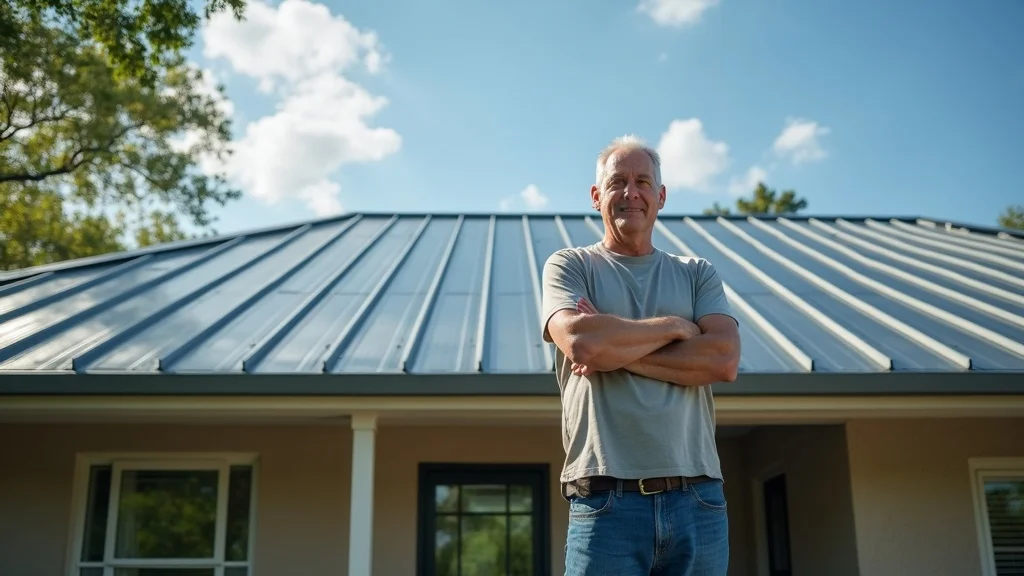
When evaluating energy efficiency and roofing for Houston, metal roofs represent a top-tier investment. Built to outlast and outperform traditional options, a quality metal roof reflects more sunlight than it absorbs, rapidly radiates trapped heat, and delivers impressive long-term energy savings. Houston’s uniquely hot climate makes metal roofing especially attractive; these roofs are known to last 40–70 years with minimal maintenance and provide outstanding protection against hurricane-force winds, hail, and relentless solar energy.
Not only do metal roofs keep your home cooler in summer, but they can also support solar panel installation and withstand Houston roof storms. Investments in metal roofing position you to significantly reduce energy consumption related to both air conditioning and heating and cooling fluctuations throughout the year. For homeowners seeking maximum durability with proven efficiency, a metal roof is the gold standard.
Why Asphalt Shingles Remain Popular in Houston
Despite the advanced energy-efficient options available, asphalt shingles hold their place as Houston’s most common roofing material. Their continued popularity is due to a combination of affordability, versatility, and ease of installation and repair. The latest generation of “cool” asphalt shingle products incorporates advanced reflective granules that minimize heat absorption, making them a viable choice for those looking to increase energy efficiency without a premium price tag.
While asphalt shingles may not rival the longevity of metal, with a typical lifespan of 20–30 years, their energy savings potential has dramatically improved thanks to ongoing research and technological innovation. Well-maintained asphalt shingle roofs equipped with radiant barriers or light-colored variants can still help Houston homeowners control energy bills and climate-related wear and tear, offering a solid, budget-friendly balance between performance and cost.
Radiant Barriers: Boosting Energy Efficiency in Houston Homes
To further optimize your Houston home’s energy performance, radiant barriers are essential. These highly reflective materials, installed in attics beneath your main roofing material, block up to 97% of radiant heat transfer. Especially in the Houston climate, where attic temperatures can exceed 150°F, adding a radiant barrier can result in meaningful energy savings and greater indoor comfort.
When paired with energy efficient roofing materials like metal or cool asphalt shingles, radiant barriers help keep attic spaces and living areas significantly cooler. This means less work for your HVAC system, fewer repairs, and lower annual energy costs. For homeowners intent on getting every possible efficiency advantage out of their roof, a radiant barrier is an excellent upgrade.
How to Choose the Right Roofing Material for Energy Efficiency and Roofing for Houston
- Assess your Houston home’s needs
- Compare energy efficient options
- Consider long-term savings vs. upfront costs
- Consult with a local roofing expert
Begin by evaluating your home’s specific challenges: Consider age, existing insulation, roofing system design, and shading. Prioritize options known for substantial energy savings through either material technology or installation methods, such as metal roof panels, cool asphalt shingles, and radiant barriers. Next, weigh immediate costs against estimated returns—sometimes paying a bit more upfront can yield thousands in savings over decades, especially when factoring in lower energy bills, HVAC longevity, and fewer repairs.
Finally, engage a professional Houston roofing service like Kainos Roofing & Exteriors. Their expertise ensures your chosen solution is tailored to withstand the region’s climate fluctuations, offer peak performance, and comply with the latest local regulations enacted for both storm resilience and energy efficiency.
“Metal roofing and reflective shingles are among the best choices for energy efficiency and longevity in Houston’s climate.” – Kainos Roofing Specialist
Exploring the Houston Energy Efficiency Program for Homeowners
Houston’s commitment to sustainability means there are now several incentives and assistance programs dedicated to helping homeowners make energy-efficient upgrades. The Houston energy efficiency Program provides rebates, low-interest financing, and technical guidance for qualifying home improvements, including upgrading to efficient roofing materials and installing radiant barriers or insulation. By lowering the upfront burden, the program makes it easier than ever for local families to take meaningful steps toward reducing energy consumption and costs.
From application to final inspection, the city’s program is designed to streamline the upgrade process. When you partner with experienced roofing professionals, you can be sure that each step meets eligibility requirements, maximizing your opportunity for incentives and long-term savings while increasing your home’s comfort and resale value.
How Does the Houston Energy Efficiency Program Work?
The Houston Energy Efficiency Program starts with an assessment and consultation to determine which improvements will yield the greatest return for your specific home and needs. A program representative may inspect your property and review your recent energy bills to diagnose opportunities. Once you select the right roofing materials or upgrades, your contractor installs the enhancements and submits documentation for required inspections. Upon successful completion, you’ll receive rebates or access to preferred financing, depending on the specific program track.
This streamlined process allows Houston homeowners to modernize, protect, and improve the efficiency of their property with minimal hassle. From radiant barriers to full roof replacements, smart upgrades don’t just benefit individual families; they collectively contribute to a more sustainable and resilient Houston.

Energy Efficiency and Roofing for Houston: What Does It Cost?
Understanding the costs involved in roof upgrades is essential before embarking on your energy efficiency journey. The initial price of high-performing roofing materials such as metal or clay tiles is higher than basic asphalt shingles, but their energy savings and lifespan often result in better lifetime value. Don’t forget to factor in labor, scope of attic work (like radiant barrier installation), and any repairs needed due to prior roof leaks or damage.
Typical Houston roof replacement costs can span a broad range, based on square footage, choice of materials, and additional upgrades for energy efficiency. Remember, rebates and local incentives offset much of your up-front investment, while monthly energy bill savings put money back in your pocket year after year.
| Material | Initial Cost | Energy Savings Potential | Longevity |
|---|---|---|---|
| Asphalt Shingles | $6,000 – $10,000 | Moderate | 20–30 years |
| Metal Roofing | $12,000 – $20,000 | High | 40–70 years |
| Clay/Tile Roofing | $15,000 – $30,000 | Moderate-High | 40+ years |
| Radiant Barrier Addition | $1,500 – $3,000 (Add-on) | High (up to 15% drop in cooling costs) | 30+ years |
Maximizing Energy Savings: Roofing Upgrades for Houston Homes
- Upgrading to energy efficient materials
- Adding radiant barrier insulation
- Using light-colored or reflective roofing
- Routine roof maintenance
To truly maximize the return on a Houston roof upgrade, focus on a multi-layered approach. Start by choosing highly reflective, energy efficient roofing materials—such as metal roofs or cool asphalt shingles. Next, incorporate attic enhancements like radiant barrier insulation, which can actively repel radiant heat and keep attics and living spaces substantially cooler. Opt for light-colored or white roofing surfaces to reflect even more solar energy and resist heat build-up.
Regular maintenance is also a must; clean gutters, inspect for wear or storm damage, and promptly address small issues to extend the lifespan and efficiency of your system. Each of these steps can lead to measurable improvements in your energy bills and overall comfort—proving that smart investment in your roof today pays off for years to come.

Does a New Roof Qualify for Energy Credit or Incentives in Houston?
Yes, many energy efficient roof upgrades in Houston could qualify for state, city, and federal incentives or rebates. The details vary by program and material—certain types of metal roofing and reflective asphalt shingles on your Houston home are eligible for energy tax credits, while local programs often provide rebates for radiant barrier insulation and related efficiency upgrades. Always keep records of materials used, installation documentation, and all receipts to ensure you don’t miss out on potential savings or compliance benefits.
Your roofing service provider, especially a knowledgeable local company like Kainos Roofing & Exteriors, can assist you in navigating the paperwork and confirming which upgrades qualify for incentives. Don’t hesitate to ask for help—the right program could quickly turn a great roofing project into a spectacular investment.
New Roof Laws in Texas and What Houston Homeowners Need to Know
- Recent legislation affecting residential roofing
- Energy efficiency standards
- City of Houston regulations
- What homeowners need to document
In recent years, Texas has passed new laws requiring enhanced standards of both energy efficiency and storm resilience for residential roofs. Houston-specific regulations reinforce these requirements, improving minimum reflectivity levels, thermal resistance, and documentation protocols for all new or replacement roofs. Homeowners must ensure all materials and installation practices meet updated city codes, particularly for energy efficiency certifications and insurance purposes.
Accurate record-keeping is crucial; keep all project documentation, product specs, and inspection reports in case you need to file an incentive claim, sell your property, or address post-storm insurance questions. Reliable companies like Kainos Roofing & Exteriors understand every regulatory requirement and guide homeowners through the process while prioritizing long-term energy and cost savings.
“Recent updates in Texas roofing law are designed to help homeowners maximize both energy savings and storm resilience.” – Houston Building Inspector
Case Study: Achieving Energy Efficiency and Roofing Success in Houston
Take the Lopez family in West Houston, whose 2,300 sq ft home saw summer cooling bills reduced by over 35% after switching to metal roofing and radiant barrier insulation. Before the upgrade, they struggled with a strained AC system, frequent repairs, and uncomfortably warm indoor spaces. With a new energy efficient roofing system—and support via the Houston energy efficiency program—they now enjoy cool, even temperatures throughout their home, year-round.
Their choice not only cut costs but also boosted their property’s curb appeal and resale value. The family’s story exemplifies the power of strategic roof investment in Houston—proving that smart roofing upgrades are the secret to comfort, savings, and peace of mind in the Texas climate.

Watch local industry leaders break down the science behind energy efficient roofing choices, and learn from real Houston homeowners who explain what made the greatest impact on their homes’ performance and bills. Industry best practices, newest materials, and step-by-step guides are all covered.
People Also Ask: Energy Efficiency and Roofing for Houston
What is the Houston energy efficiency Program?
The Houston energy efficiency Program assists homeowners in making energy-saving improvements, like efficient roofing upgrades and radiant barriers. Through rebates, assessment services, and financing options, the program helps lower initial upgrade costs and provides technical guidance to ensure installations meet or exceed local energy standards.
How much should a 2000 sq ft roof cost?
The cost to replace a 2,000 square foot roof in Houston varies by material and efficiency features. Asphalt shingles typically range between $7,000 and $11,000, while metal roofing may cost $14,000–$22,000. Radiant barrier add-ons or premium reflective coatings will raise the total but provide greater energy savings and increased durability.
Does a new roof qualify for energy credit?
Yes, many energy efficient roofing upgrades do qualify for energy credits—in particular, metal roofing, reflective asphalt shingles, and radiant barriers. Ensure your contractor uses qualified materials and provides documentation you’ll need for submitting for federal, state, or city incentive programs.
What is the new roof law in Texas?
Recent Texas roofing laws demand enhanced energy efficiency and weather resistance for all new or replacement residential roofs. For Houston homeowners, this means meeting or surpassing updated reflectivity and insulation standards, and retaining full documentation for city code compliance and potential rebates or claims.
Frequently Asked Questions: Energy Efficiency and Roofing for Houston
- What is the best roofing material for Houston’s climate?
Metal roofing and tile are optimal for Houston’s hot, storm-prone weather due to their durability, reflectivity, and energy savings potential. - How long do energy efficient roofs last?
Metal roofs last 40–70 years, while tile/clay can exceed 40 years. Modern asphalt shingles last 20–30 years with proper maintenance. - Can radiant barriers really help in Houston?
Yes! Radiant barriers installed in attics block up to 97% of radiant heat, making them especially beneficial for reducing cooling costs in Houston’s intense climate. - Are metal roofs noisy in rain?
Not with proper installation—insulation and underlayment greatly diminish sound, making modern metal roofs as quiet as other options.
Key Takeaways on Energy Efficiency and Roofing for Houston
- Energy efficient roofing significantly reduces Houston cooling costs
- Metal roofing and radiant barriers are top choices
- Take advantage of local energy efficiency programs
- Hire trusted, local roofing professionals
Choose Houston’s Most Trustworthy Roofing Partner
For results you can count on, Houston homeowners consistently trust Kainos Roofing & Exteriors. From metal roofs to radiant barrier installations, Kainos offers honest expertise, comprehensive service, and a passion for quality that sets them apart. Their commitment to the latest energy efficiency standards—and in-depth knowledge of all local regulations and incentive programs—means your project is done right, from start to finish.
Call Kainos to discover how our Home Guardian Services can increase the value of your home. (713) 487-5255
Conclusion: Plan Your Houston Home’s Energy Efficient Roofing Upgrade
Don’t let another hot Houston summer overheat your home or budget—take the first step toward energy savings and lasting comfort with a trusted, energy efficient roofing system.
To deepen your understanding of energy efficiency improvements for Houston homes, consider the comprehensive resource Guardian Home Network. This site provides expert advice and a range of services specifically focused on energy-saving home upgrades, including evaluations and roofing solutions built for the Texas climate.
Leave a Reply