
Most homeowners replace a roof only once or twice in a lifetime—yet more than 65% experience unexpected delays, added costs, or preventable problems during the roof replacement process. The reason isn’t bad luck; it’s lack of clarity. From choosing the right roofing materials and contractor to understanding inspections, permits, and installation stages, each decision directly affects cost, durability, insurance eligibility, and long-term performance. This guide breaks down the roof replacement process step by step, so you know exactly what to expect, how to avoid costly mistakes, and how to protect your home investment from day one through final inspection.
Startling Facts About the Roof Replacement Process
Did you know that over 65% of homeowners experience unexpected delays during the roof replacement process—costing both time and money?
-
Avoiding costly setbacks: Following a structured roof replacement process ensures fewer hidden problems pop up during your project.
-
Safer, smoother experience: Understanding each stage defends against water damage, safety hazards, and project overruns.
-
Improved outcomes: Proper planning maximizes energy efficiency, curb appeal, and lifespan of your new roof—saving you money over the long run.
What You’ll Learn About the Roof Replacement Process
-
Understanding each stage of the roof replacement process
-
Critical factors influencing roof replacement
-
Selecting the best roofing material, color, and contractor
-
Tips for maximizing energy efficiency and longevity
Comprehensive Overview: The Roof Replacement Process Explained
Defining the Roof Replacement Process: Steps and Expectations
The roof replacement process involves a series of essential steps, including selecting roofing materials and coordinating with a trusted roofing contractor, each requiring careful planning and attention to detail. It starts with a thorough inspection of your existing roof, followed by obtaining permits, stripping away old materials, and installing new roofing systems. If executed properly, the process minimizes risks like water damage and extends the lifespan of your new roof. Common roofing materials include asphalt shingles, metal roof systems, and advanced options such as architectural shingles, all of which significantly impact your roof’s durability, energy efficiency, and overall performance. A reputable roofing contractor coordinates each phase, from removal to installation and clean-up, ensuring your home is protected throughout. Pro tip: Carefully follow each milestone to identify hidden problems before they escalate, and always prioritize quality workmanship to ensure a watertight, energy-efficient result.
What should you expect during the roof replacement process? Start with a consultation, where you’ll discuss your goals and budget with a roofing contractor. Inspections may reveal underlying issues in the decking for signs of rot or past water damage. Each decision you make on roofing material, shingle color, metal roof color, roof color for hot climates, and project timeline impacts performance, curb appeal, energy efficiency, and overall roof costs. Ensuring clear communication with your contractor at every step is essential. By following a structured approach and being prepared for potential disruptions, you’ll improve your chances of a smooth, successful installation with no unnecessary hiccups or delays.
Signs It’s Time for Roof Replacement
An expert roofing contractor weighs in: “Waiting too long to replace your roof can lead to expensive structural issues and safety hazards.”
Recognizing when it’s time to start the roof replacement process is critical. Common signs include curling or missing roof shingles, persistent leaks, stains on ceilings, and visible sagging. Pro tip: Watch for shingle granules collecting in gutters, which indicate advanced asphalt shingle wear. Water stains in your attic or visible daylight through the roof boards are urgent red flags—left unresolved, these issues can progress to major hidden problems and costly water damage. If your existing roof is more than 20–25 years old, or if you frequently need repairs, the time for replacement may have arrived. Scheduling timely inspections helps you act before minor problems turn into significant safety or structural concerns for your home.
Insurance companies often use roof age to evaluate claims, and older roofs may lead to coverage challenges—or even outright denial of claims related to storm or hail damage. That means delaying replacement not only puts your property at risk but can also leave you personally responsible for expensive repairs. Regular visual inspections and professional assessments every few years ensure you’re always a step ahead. Addressing problems proactively can safeguard your investment and give peace of mind that your family and belongings remain safe and dry, no matter the season.
Initial Planning: Preparing for a Successful Roof Replacement
Setting Clear Timelines to Avoid Delays
One key to avoiding frustration and costly setbacks during the roof replacement process is establishing clear, achievable timelines. Work with your roofing contractor to review the anticipated start and completion dates for every major stage, from delivery of materials to final inspection. Be aware that weather, permitting, and crew availability all influence scheduling, so build some flexibility into your plan. Pro tip: Ask the contractor for their average completion time based on project size and any recent labor or supply chain disruptions in your region.
Creating a detailed schedule—including key milestones like inspections, tear-off, and installation—lets you track progress and minimize disruption to your daily life. Setting up regular communication checks (either daily or at major project junctures) keeps everyone accountable and allows you to address unforeseen issues as soon as they develop. The result is a smoother roof replacement process and a higher likelihood of finishing on time, with fewer unpleasant surprises along the way.
Budgeting for the Roof Replacement Process: Cost Factors and Tips
Get multiple estimates from reputable roofing contractors before making a final decision.
Setting a realistic budget for your roof replacement process is essential for avoiding mid-project surprises. Core factors influencing roof costs include the size and pitch of your roof, choice of roofing material, complexity of design (valleys, dormers, skylights), and regional labor rates. Material options like basic asphalt shingles, architectural shingles, and metal roofs all come with different costs, longevity, and energy efficiency profiles. Additional expenses may arise if the contractor uncovers hidden problems such as rotted decking or inadequate ventilation. Pro tip: Always set aside a contingency (10-15% of total cost) for these unexpected discoveries.
Before signing any contract, collect at least three written estimates from reputable roofing contractors who are licensed, insured, and experienced with your roof type. This ensures you’re comparing apples to apples and getting competitive pricing. Review what the estimates include: tear-off and disposal, new materials, installation, warranty, and clean-up. Don’t be tempted to cut corners—higher upfront investment in quality materials and skilled labor can bring long-term savings through improved performance, lower maintenance, and even better resale value for your home.
Choosing Materials for the Roof Replacement Process
Comparing Roofing Material Options: Shingles, Metal Roof, and More
Selecting the right roofing material is a pivotal part of the roof replacement process and directly influences your home’s energy efficiency, curb appeal, roofing material longevity, and long-term maintenance costs. The most widely used options include asphalt shingles, architectural shingles, metal roofing, clay or concrete tile, and composite materials. Asphalt shingles are known for their affordability and ease of installation, making them a favorite for many homeowners. Architectural shingles offer enhanced durability and attractive textures, boosting both weather resistance and curb appeal while significantly improving energy efficiency. For those seeking longevity and energy savings, a metal roof provides a 40+ year lifespan and excellent solar reflectivity, making it ideal for hot climates.
Longevity, cost, and energy efficiency vary by material. While basic asphalt shingles may last 15–20 years, a well-installed metal roof or architectural shingle system can protect your home for decades longer with less frequent need for repair. Specialty roofing materials like tile and slate offer unmatched durability but also come with higher roof costs and structural requirements. Pro tip: Consider how different roofing systems work with solar panels installation, especially if you plan future upgrades for sustainability. Reviewing these options side-by-side helps you balance performance, appearance, and long-term value.
Comparison of Roofing Materials: Lifespan, Cost, Energy Efficiency
| Material Type | Average Lifespan | Estimated Cost (per sq. ft.) | Energy Efficiency |
|---|---|---|---|
| Asphalt Shingle | 15–25 years | $3–$5 | Moderate; optional cool roof options |
| Architectural Shingles | 25–40 years | $4–$6 | Higher insulation; better wind & sun resistance |
| Metal Roof | 40–70 years | $6–$12 | Excellent reflectivity; top for energy efficiency |
| Clay/Concrete Tile | 50+ years | $8–$15 | Good; requires reinforced support |
| Composite/Polymer | 30–50 years | $6–$10 | Varies; often recycled content available |
The Influence of Shingle Color and Metal Roof Color on Roof Longevity
The roof color and metal roof color you choose can directly impact both the life expectancy and energy efficiency of your roof, especially when considering roof color for hot climates to maximize cooling benefits. Light-colored shingles and metal roof colors such as white, light gray, or beige reflect more sunlight, reducing heat absorption and improving energy efficiency, making them ideal choices for roof color for hot climates. This minimizes wear on roof shingles in hot climates and can lower indoor cooling costs. On the other hand, dark shingle colors or darker metal roof color options may showcase richer curb appeal and make snowmelt faster in cold regions, but often absorb more heat, leading to higher temperatures in your attic and shorter material lifespan in sunny areas.
Pro tip: Always take local weather into account—choose a roof color for hot climates carefully, prioritizing heat-reflective options for better energy efficiency. Many manufacturers, including Owens Corning, now produce cool roof shingles and metal roof panels specifically designed for optimal reflectivity, energy efficiency, and long-term performance. Popular architectural shingle lines and modern metal roofs offer a variety of colors that blend practical benefits with style, ensuring you don’t have to compromise on appearance for the sake of longevity.

Energy Efficiency: Selecting Roofing Materials for Savings
-
Best roof color for hot climates: Opt for light-colored asphalt shingles, white or reflective metal roof panels, or tile for maximum solar reflectance and a cooler attic.
-
Architectural shingles vs. traditional options: Upscale asphalt shingle and architectural shingles offer built-in UV resistance and better weatherproofing, improving both durability and energy savings.
-
Impact on solar panel installation: A well-chosen material and layout can facilitate easier, more secure integration of solar panels, which both increases property value and yields substantial long-term energy cost reductions.
Investing in energy-efficient roofing pays dividends with lower utility bills and less stress on your HVAC system. Cool roof technology and ENERGY STAR-rated materials from manufacturers like Owens Corning help reflect the sun’s rays. Upgrade your roof for savings now, and you’ll benefit year-round—whether you choose asphalt shingles, architectural shingles, or a metal roof.
How to Select the Right Roofing Contractor for Your Roof Replacement Process
Essential Questions to Ask a Roofing Contractor
Choosing a reputable roofing contractor is just as critical as selecting the best roofing materials like metal roof or architectural shingles to ensure a quality roof replacement process. Start by asking how long they’ve been in business, whether they are licensed and insured, and what experience they have with your chosen roofing material or system. Ask about warranty coverage—including both material and workmanship warranties for roofing materials like metal roof and architectural shingles—and their approach to managing unexpected challenges such as weather delays or hidden problems within your existing roof.
Pro tip: Request a detailed written estimate and ask for references from recent local jobs. This gives you direct insight into the contractor’s reliability, communication style, and the quality of their completed roof replacement projects. Make sure they are comfortable answering your questions, explaining each phase of the roof replacement process, and keeping you informed at every step.
Verifying Insurance, Licensing, and References
-
Valid license: Ensure the roofing contractor’s business license is up to date for your area and that they follow all local code requirements.
-
Current insurance: Confirm general liability and workers’ compensation are in effect—protecting you from accidental damages or injuries during the roof replacement process.
-
Solid references: Ask for at least 3–5 recent clients, especially for similar roof types (asphalt shingles, metal roof, complex roof lines).
-
Warranty and service: Understand what the warranty covers for both materials and labor. Owens Corning, for instance, is known for robust coverage if installed by preferred contractors.
Verifying these credentials protects your investment and ensures your roof replacement process is handled by professionals. A reputable contractor will have no problem providing insurance documentation, licensing details, and a portfolio of past projects to put your mind at ease. Remember, hiring a reputable contractor is your best defense against cut corners and costly mistakes.
Understanding the Stages of the Roof Replacement Process
Roof Inspection and Initial Assessment
Every great roof replacement process begins with a detailed inspection. Your contractor will assess the current state of roof shingles, flashing, decking for signs of rot or water damage, and check for ventilation issues. This initial assessment is crucial for accurate budgeting and planning—a thorough inspection reveals any hidden problems before the real work starts. Pro tip: Attend the assessment with your contractor to ask questions and get a firsthand look at trouble spots.
The findings will guide recommendations about necessary repairs, whether to fully replace or partially repair your roofing system, and if any upgrades (like improved underlayment or attic insulation) might benefit your home. Taking these proactive steps now will make the rest of the replacement process smoother—and keep surprises to a minimum.
Project Planning and Scheduling
Next comes the administrative and logistical prep work. Your roofing contractor will secure required permits, order the right quantities of roofing material and related accessories, and coordinate construction schedules with both crew and homeowners. Expect a detailed outline covering key dates, site access logistics, and safety measures.
Open communication at this stage is essential—clarify any expectations for noise, debris, and access restrictions. If your project includes unique features such as roof color for hot environments or prepping for solar panels, this is the time to lock those details in. Structured planning helps ensure that installation is seamless and efficient, reducing downtime and keeping your household routine as undisturbed as possible.
Tear-Off and Removal of Existing Roofing Material
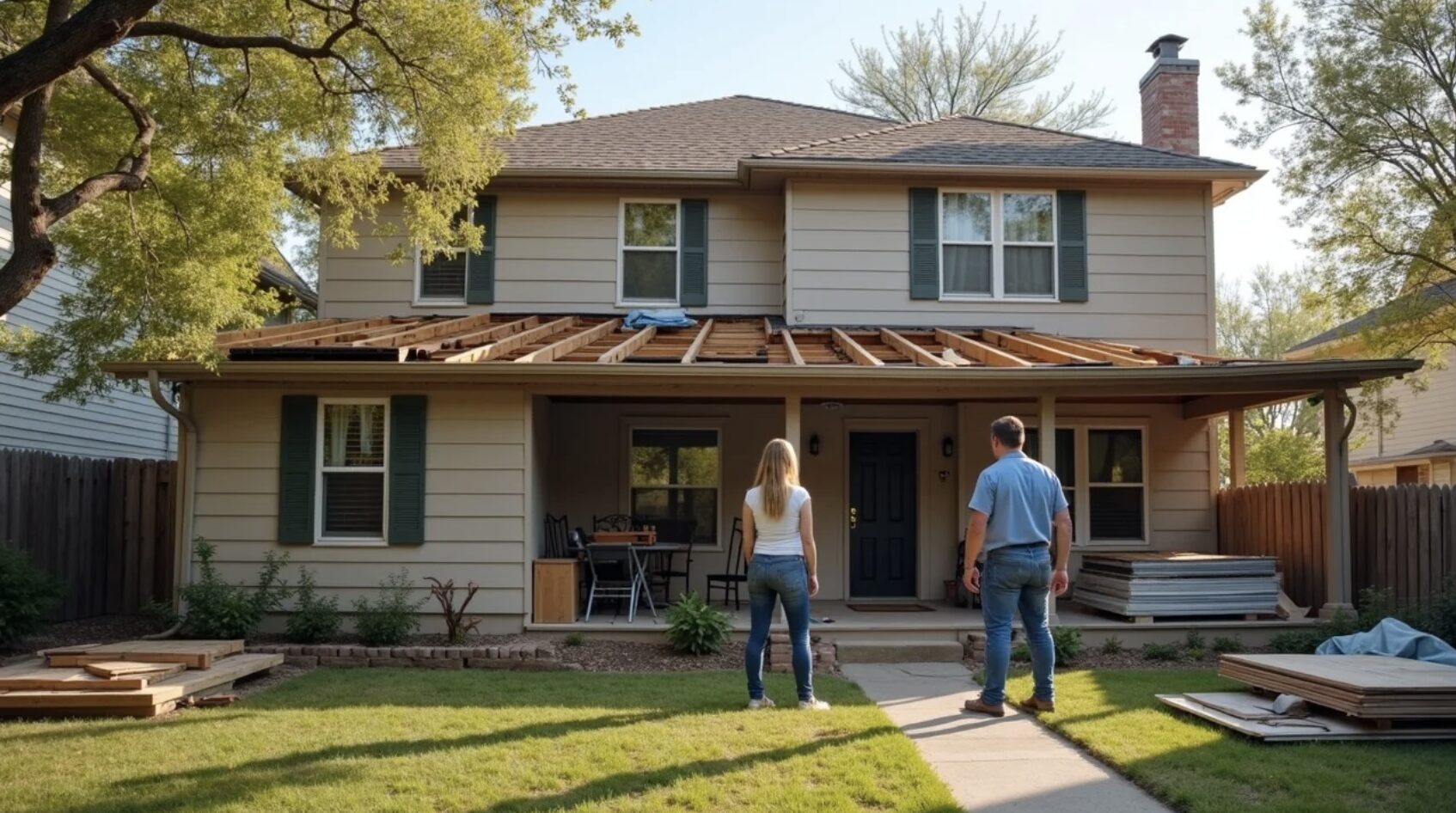
Once materials and crews are mobilized, the old roof is stripped away. This phase includes removal of existing shingles, nails, flashing, and underlayment, right down to the bare deck. Professional crews use tarps and debris catchers to protect landscaping and siding, minimizing mess and damage. Pro tip: Quality contractors inspect the decking for signs of weakness, water damage, or dry rot at this stage—any necessary repairs are performed before the new materials are applied.
This is often the messiest and noisiest part of the roof replacement process. However, it also acts as the last checkpoint for structural soundness. Watch for prompt communication from your contractor if unexpected repairs are needed; a reputable company will walk you through all options before moving forward.
Installation of New Roofing Materials and Accessories
With the deck prepped and repairs made, the installation of new roofing materials begins. This includes underlayment, ice and water barriers (where required), new flashing, and the chosen shingle, tile, or metal roof system. For homes opting for architectural shingles or a metal roof, proper alignment and attachment are key to both performance and longevity. Additional accessories—ridge vents, skylights, or solar panel mounts—are installed for weather tightness and ventilation.
Quality matters more than speed here. A rush job may lead to premature leaks, warranty voids, and increased roof costs over time. Reputable roofing contractors monitor crew accuracy and ensure the manufacturer’s guidelines are precisely followed—this is especially crucial for warranty coverage.
Quality Assurance, Clean-Up, and Final Walkthrough
No roof replacement process is complete without careful quality checks and thorough clean-up. Upon installation, your contractor should inspect every area of the roofing system, ensuring protection against leaks, wind damage, and improper sealing. Nails are checked, flashing secured, and all work checked against the original plan.
The contractor should walk you through the final product, answer your questions, and review required maintenance or warranty registration steps. Debris is removed, gutters cleaned, and the worksite restored to original condition—or better. Pro tip: Retain all receipts, warranty documents, and photos for future insurance or resale purposes.
Roof Replacement Process: Navigating Common Challenges and Delays
Weather-Related Delays and Solutions
Weather remains the most universal cause of delays during the roof replacement process. Rain, snow, extreme heat, and high winds can all lead to work stoppages—protecting both workers and your home from risk. Pro tip: Ask your contractor about their inclement weather contingency plans and what precautions they use, such as tarping exposed areas or using synthetic underlayment that can withstand temporary exposure.
Stay flexible with your project timelines and avoid peak storm seasons in your area wherever possible. Understanding that temporary weather delays are aimed at ensuring the final installation’s quality and safety turns a frustration into a proactive protection for your investment.
Permits and Inspections: Avoiding Pitfalls
Local building codes require most roof replacement projects to secure permits and pass inspections before and after completion. Delays in this administrative process are common, especially if project paperwork is incomplete or local inspectors are backlogged.
Pro tip: Choose a roofing contractor experienced with municipal requirements and ask for estimated timelines on permit approval. Ensuring all paperwork, designs, and materials information is ready at the start can help keep your roof replacement process running on schedule and reduce the chance of surprise penalties or project shut-downs.
-
Communicate with neighbors about project dates and anticipated noise/disruptions.
-
Request daily or milestone project updates from your contractor.
-
Work with your contractor to secure permits early and have required documents ready for prompt inspection approvals.
Special Considerations During the Roof Replacement Process
Replacing Your Roof with Solar Panels in Mind
If you’re considering a future solar panels installation, now is the ideal time to plan for it during the roof replacement process to ensure compatibility with roofing materials and maximize energy efficiency. Talk with your roofing contractor and solar provider to coordinate bracket placement, wiring needs, and ensure your roof’s new materials and supports are compatible with solar panel installation. Many homeowners opt for architectural shingles or a metal roof for the long-term durability essential to solar panels installation and energy efficiency.
Pro tip: Some energy-efficient roofing materials, including architectural shingles and metal roof options, are specifically designed to maximize the performance and lifespan of rooftop solar panels—including heat-reflective coatings, integrated flashing systems, and wire-friendly accessories. Making these choices now avoids costly retrofits later, and sets your home up for both savings and sustainability.
Enhancing Energy Efficiency: Insulation and Reflective Roofing
Upgrading or refreshing your attic insulation during the roof replacement process can greatly improve your home’s energy efficiency. Paired with a cool roof system or reflective coatings on metal or lighter-colored architectural shingles, you reduce heat transfer into your living space and slash peak summer cooling costs.
Pro tip: Ask your contractor about ENERGY STAR-certified roofing materials, modern attic ventilation solutions, and integrated water barriers for the ultimate protection and performance combo.
Choosing Roof Colors: Aesthetic and Practical Impacts
Selecting your roof’s color is more than a style decision—it can have real impacts on longevity, energy efficiency, and resale value. Generally, a lighter roof color is best for hot climates while dark shades offer traditional curb appeal and can accelerate snowmelt in cold regions. Choose a shingle color or metal roof color that complements your home’s exterior palette, elevating curb appeal without sacrificing functionality.
Ask your contractor for physical samples and view them under natural daylight to observe true tones. Advances in asphalt shingle and metal roof color manufacturing now allow you to blend visual appeal with practical benefits such as added UV protection or algae resistance.
Roof Replacement Process: Aftercare and Maintenance
Establishing a Roof Maintenance Routine
After your new roof is in place, protecting your investment means adopting a simple but regular maintenance routine. Conduct visual inspections every spring and fall, looking for missing shingles, loose flashing, blocked gutters, and moss growth. Use binoculars or hire a contractor for annual professional checkups. Quickly address any damage or leaks to prevent escalation into larger, more expensive repairs.
Pro tip: Keep gutters clear, trim overhanging tree branches, and monitor your attic for signs of moisture or inadequate ventilation. Regular maintenance extends your roof’s lifespan and ensures that you remain eligible for any warranty coverage years down the line.
Warranty Information and Registration
Most major roofing manufacturers and reputable contractors offer strong warranties covering both materials and workmanship. Register your warranty within any required window and retain all installation documentation, photos, and receipts. Understand exactly what the warranty covers—including exclusions related to weather, maintenance lapses, and improper modifications.
-
Schedule periodic inspections and promptly report any issues under warranty terms.
-
Never attempt unauthorized repairs or alterations without consulting your contractor—this could void your coverage.
-
Pro tip: Owens Corning and similar companies often have online registration for maximum convenience.
Taking these additional steps now can be the difference between a quick fix and a full replacement down the road.
People Also Ask: Key Questions About the Roof Replacement Process
What are the stages of replacing a roof?
-
Inspection and assessment: Identify hidden problems, plan scope of work, get cost estimates.
-
Removal of old materials: Tear-off old shingles, underlayment, and check the deck for signs of weakness or damage.
-
Installation: Lay new underlayment, flashing, and chosen roofing materials (asphalt shingles, metal roof, etc.).
-
Finalization and inspection: Conduct quality checks, clean-up, and walkthrough; handle warranty paperwork.
What is the 25% rule in roofing?
-
The 25% rule refers to regulations (common in certain states) stating that if more than 25% of your roof requires repair or replacement, full replacement is typically required to ensure the integrity of the entire roofing system. Always check your local codes and consult your contractor for details—this impacts insurance claims and project scope.
Can you stay in your house while the roof is being replaced?
-
Most homeowners remain in their homes during the roof replacement process but should prepare for noise, vibrations, and temporary safety limitations. Protect children, pets, and keep valuables or fragile items secure. Discuss logistics with your contractor for guidance on minimizing disruption and ensuring everyone’s comfort and safety.
How old may a roof be before insurance claims it’s too old?
-
Many insurance companies limit roof coverage for materials older than 20–25 years, especially asphalt shingles. Individual policy rules vary—confirm your insurer’s guidelines and factor roof age into claims or replacement planning, as “too old” roofs may lead to denied claims even if damage is storm- or accident-related.
Frequently Asked Questions About the Roof Replacement Process
-
How long does the roof replacement process take?
Most residential roof replacements take 1–3 days, depending on size, complexity, material choice, and weather. -
What are the common mistakes homeowners make during the roof replacement process?
Mistakes include hiring an unlicensed contractor, neglecting written contracts, overlooking inspection findings, and choosing the cheapest bid without considering material quality or warranty. -
Is the roof replacement process covered by homeowners insurance?
Insurance often covers replacements due to sudden damage (hail, wind), but not wear/tear or old age. Check your policy for specific coverage in your region. -
How do I prepare my property and family for the roof replacement process?
Secure pets, move outdoor items like grills or patio furniture, protect valuables inside, and talk with your contractor about daily schedules and site safety.
Key Takeaways: Mastering the Roof Replacement Process
-
Start your roof replacement process with thorough planning
-
Choose materials and contractors wisely
-
Understand each phase of the process to avoid costly delays
-
Maintain your new roof for long-term performance
Take the Next Step in Mastering Your Roof Replacement Process
We make roof repair and replacement as easy as it can be. That’s how much we care. Call us. 713-487-5255.
Leave a Reply