

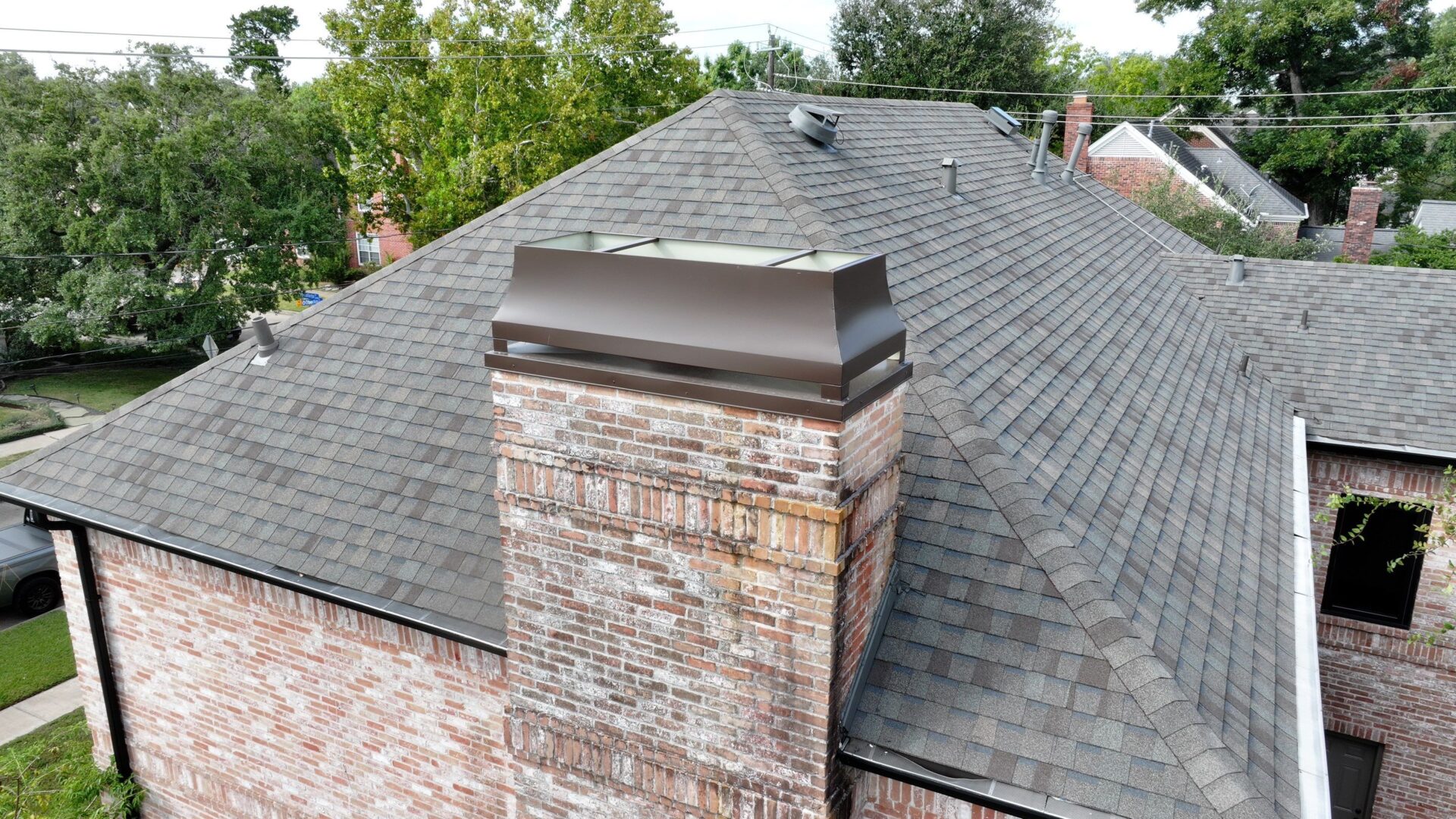
Did you know that Houston experiences average humidity levels exceeding 75% year-round?Houston roof materials humidity effects is essential for homeowners aiming to protect their investment and enhance home value. This guide unpacks the science, local climate data, and expert advice to help you make informed roofing decisions.
Startling Facts About Houston Roof Materials Humidity Effects
Houston’s coastal proximity and subtropical climate subject roofing systems to relentless high humidity and frequent salt-air exposure. These conditions lead to raised rates of moisture-related deterioration such as mold growth, corrosion, and material expansion. For example, roofs here often endure trapped moisture, which contributes to early signs of damage unseen in drier regions. It’s not just rain causing trouble—airborne salt and persistent dampness intensify wear and tear considerably.
According to Jimmy Vitulli of Kainos Roofing & Exteriors, “Houston’s unique environment means that standard roofing materials often face accelerated aging processes. Homeowners need to recognize that humidity isn’t a secondary factor but a primary challenge influencing roof durability.” Leveraging local atmospheric data and case studies, this comprehensive guide dives into those effects with precision and actionable insights.
Understanding Houston’s Humid Climate and Its Impact on Roofing Materials
Humidity Levels and Their Effects on Roofing Material
Houston’s average relative humidity hovers above 75%, surging during summer months and storm seasons. Such elevated moisture levels promote the absorption of water into roofing materials, especially porous types like asphalt shingles and tiles. This absorbed water can cause swelling, weakening the structural integrity and fostering environments conducive to mold and mildew development.
Prolonged exposure to moist air traps water beneath surface coatings, fostering rot and decay. Homeowners may notice soft spots or discoloration early on, indicators of trapped moisture. Regular roof inspections can catch these issues before they intensify, but understanding the role humidity plays is the first step to prevention.
Salt-Air Exposure and Corrosion Risks
Being close to the Gulf Coast means salt-laden air reaches Houston homes routinely. Salt particles accelerate corrosion on metal roofing, fast-tracking the deterioration process. Even roofing fasteners and other metal components are vulnerable, risking structural compromises over time.
Homes near the coast face more aggressive metal oxidation, necessitating coatings and finishes specifically rated for salt resistance. Notably, this type of corrosion also affects roof drainage systems and gutters, causing clogs and water damage if neglected.
Expansion and Contraction Due to Humidity Fluctuations
Frequent humidity changes precipitate repeated expansion and contraction cycles in roofing materials. Such fluctuations create micro-fractures, loosening granules on asphalt shingles or cracking tiles. Over years, these small stresses accumulate, diminishing the material’s lifespan and compromising waterproofing.
Materials like metal and slate expand differently than asphalt, making proper installation and allowance for thermal movement critical. Ignoring these factors can lead to defects that may void warranties and pose costly repairs.
Common Roofing Materials in Houston and Their Humidity Resistance
Asphalt Shingles and Humidity Effects
Asphalt shingles dominate Houston roofing due to cost and ease of installation; however, they are moderately susceptible to humidity damage. Constant moisture promotes surface algae and mold growth, which not only affects aesthetics but can degrade the shingle’s protective granules, shortening life from 25 years to potentially 15-20 in Houston climates.
Regular cleaning and mold treatment are essential maintenance steps to mitigate these effects. Additionally, proper attic ventilation helps minimize trapped moisture and temperature extremes beneath shingles, reducing expansion and contraction damage.
Metal Roofing Performance in Humid Climates
Metal roofs offer high durability and lifespan (30-50 years typically), but Houston’s salty, humid air requires specific attention. While metal resists water absorption, corrosion is a key risk. Coatings such as galvanized zinc, or acrylic finishes suited for coastal environments, improve resistance significantly.
Metal roofs also benefit from reduced thermal expansion when installed with appropriate fasteners and spacing. Inspections focusing on corrosion hotspots and recoating play critical roles in sustaining performance under Houston roof materials humidity effects.
Tile and Slate Roofing Durability
Clay tile and slate roofs excel at resisting humidity due to their dense, non-porous nature. They can last 50 years or more with minimal maintenance. However, moss and algae thrive on these surfaces in Houston’s humid atmosphere, causing discoloration and potential moisture retention.
Routine moss and algae removal is critical to preserve tile integrity and prevent surface erosion. Despite the warmth and moisture, these roofs maintain their stability better than asphalt but require regular cleaning to maintain aesthetics and performance.
How Houston’s Humidity Influences Roof Repair and Maintenance Strategies
Identifying Mold and Mildew on Houston Roofs
Mold, mildew, and algae growth are some of the earliest visible effects of Houston roof materials humidity effects. These organisms often form dark streaks or greenish patches, especially on shaded or north-facing roof sections. Early detection is essential to prevent further material degradation and potential health hazards.
Homeowners should monitor their roofs quarterly during Houston’s rainy and humid seasons and schedule professional inspections and cleanings. Moist conditions hidden beneath roofing layers can cause underlayment deterioration, necessitating repairs that go beyond mere surface cleaning.
Preventative Measures Against Humidity Damage
Prevention remains paramount. Houston homeowners must implement regular roof inspections focusing on ventilation, drainage, and moisture sealing. Using resistant materials with appropriate coatings, installing vapor barriers, and ensuring gutters and downspouts remain unobstructed significantly reduce humidity damage.
Jimmy Vitulli from Kainos Roofing & Exteriors stresses, “Investing in proper ventilation and humidity-resistant materials upfront reduces costly repairs and prolongs roof life dramatically under Houston’s challenging conditions.” These proactive steps translate to tangible home value preservation and energy efficiency improvements.
Expert Insights: Kainos on Houston Roof Materials Humidity Effects
“Understanding the specific humidity challenges in Houston allows homeowners to choose roofing materials that not only withstand moisture but also enhance energy efficiency and durability,” says Jimmy Vitulli, Lead Roofing Specialist at Kainos Roofing & Exteriors.
What You’ll Learn in This Guide
- The science behind humidity effects on roofing materials in Houston
- Comparative analysis of common roofing materials and their performance in humid climates
- Maintenance and repair strategies tailored for Houston’s unique environment
- Expert advice from Kainos on selecting and caring for your roof
People Also Ask: Houston Roof Materials Humidity Effects FAQs
What is the best roof for a hot humid climate?
Tile, slate, and coated metal roofs are considered best for hot, humid climates like Houston’s due to their moisture resistance and longevity. Asphalt shingles can work but require more maintenance to combat mold and degradation.
Why is my house so humid in Houston?
Houston’s geographic location near the Gulf Coast results in consistently high atmospheric moisture. This humidity seeps into homes and roofing systems, especially without adequate ventilation or moisture barriers.
Will a new roof help with humidity?
A new roof using humidity-resistant materials and proper ventilation can significantly reduce moisture buildup and related damage, improving comfort and roof lifespan.
How often should I replace my roof in Houston?
Roof replacement frequency depends on material choice and maintenance. Asphalt shingle roofs may need replacement every 15-20 years in Houston, whereas metal, tile, and slate roofs can last 30 years or more.
Tables: Comparative Durability and Humidity Resistance of Houston Roofing Materials
| Roofing Material | Humidity Resistance | Typical Lifespan (Years) | Maintenance Needs |
|---|---|---|---|
| Asphalt Shingles | Moderate | 15-20 | Regular cleaning, mold treatment |
| Metal Roofing | High | 30-50 | Corrosion inspection, coating maintenance |
| Tile Roofing | High | 50+ | Moss/algae removal |
| Slate Roofing | High | 50+ | Minimal, occasional cleaning |
Key Takeaways on Houston Roof Materials Humidity Effects
- Houston’s high humidity and salt-air exposure uniquely challenge roofing materials.
- Material choice significantly impacts roof longevity and maintenance costs.
- Regular inspections and humidity-specific maintenance extend roof life.
- Expert guidance from Kainos can help homeowners make informed decisions.
Conclusion: Protecting Your Houston Roof from Humidity Damage
Take action today—call us at (713) 487-5255 to discover how our Home Guardian Services can increase your home’s value by protecting your roof from Houston’s challenging humidity environment.
Leave a Reply